Step Into Hans Izaak World
Where Every Story Speaks
Where Every Story Speaks
Hans Izaak Kriek
Journalist · Author · Media Strategist
available now


About The Author
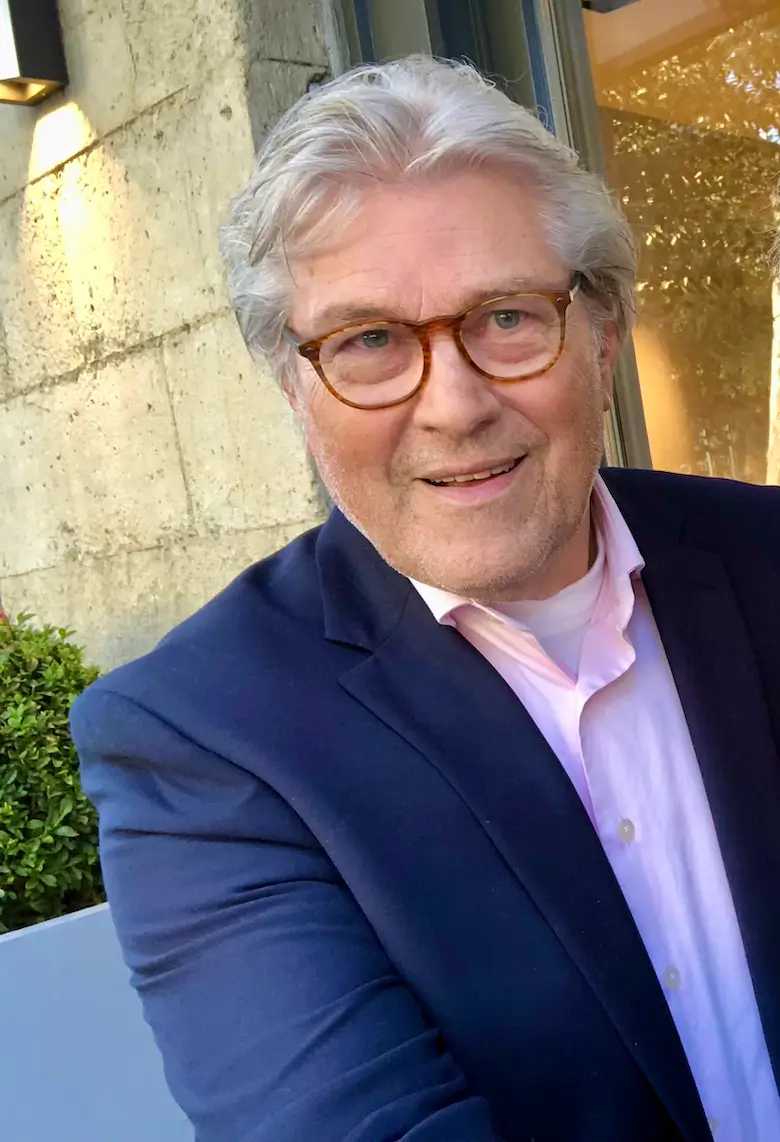
Hans Izaak Kriek
Journalist · Author · Media Strategist
Hans Izaak Kriek is a Dutch-American journalist, author and media strategist with more than five decades of professional experience in newspapers, radio, television, media training and publishing. His career began in 1972 and continues today in the United States.
Professional career in journalism and media: 1972–present

Book Shelf
International Publications
Dutch Edition

Pim Fortuyn
Book Video Trailers
Unraveling
The Truth
First
Battle
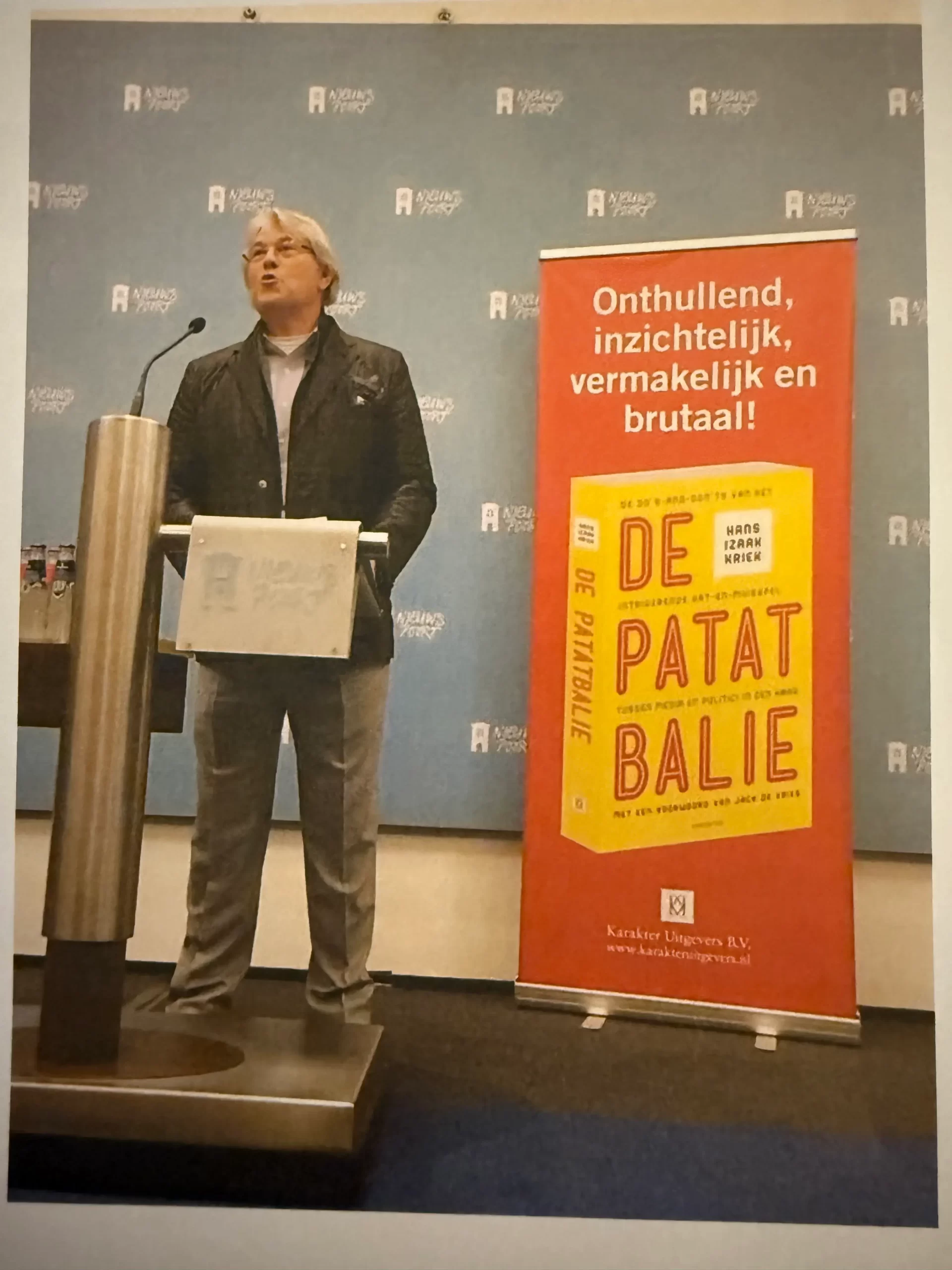
De Patatbalie
2014
A thank-you letter
Awarded By President Donald Trump

Ten Golden Guidelines from Media Coach & Advisor
Hans Izaak Kriek

Use this checklist to prepare effectively for interviews with journalists and media professionals. It covers essential communication strategies, behavior tips, and presentation guidelines to help ensure you stay in control of your message.
-
Always Prepare Adequately
Understand your target audience and tailor your language accordingly. Know which medium is interviewing you, how much time you’ll need, and ask in advance how long the interview or article will be. Ask about the interview context and whether other people are being interviewed. -
Don’t Get Caught Off Guard
Take your time to prepare. Journalists have deadlines, but don’t let them pressure you. Be informed and ready. -
Agree on Pre-Publication Review
To avoid factual mistakes, request to review the article beforehand. In recordings, what’s said is said—so make clear agreements ahead of time. -
Determine Your Key Message
Focus on the core points you want to get across. Avoid tangents and nuances. In news programs, statements typically last 20–25 seconds. -
Know the Questions
For radio and television, it’s helpful to ask what the first question will be. Be aware of what might be asked and practice responses. -
Adjust Your Language
Avoid jargon, bureaucratic language, or abbreviations. Speak plainly and briefly for clarity. -
Don’t Let Words Be Put in Your Mouth
If the interviewer’s wording is misleading, clarify and redirect. Repeat your key message at the end—it’s what the audience will remember. -
Present Yourself Well
Visuals matter. Avoid nervous habits like fidgeting. Dress appropriately, avoiding flashy clothes or jewelry. Discuss photo preferences with photographers beforehand. -
Be Cautious with Journalists
Off-the-record remarks are risky and may still be used. Journalists are always ‘on duty’—watch informal interactions. -
Saying ‘No’ Is Allowed
You can refuse an interview—just explain why. Weigh the pros and cons before deciding. -
Final Thought
Prevention is better than damage control. My motto: 'Prepare, prepare, and prepare again.' Put yourself in the audience’s seat — what do they need to hear? Don’t preach from an ivory tower. Communicate with clarity, empathy, and purpose.
Also Available on


Gallery